
Formula 1
Inside F1 Strategy: How Champions Are Made on the Pit Wall
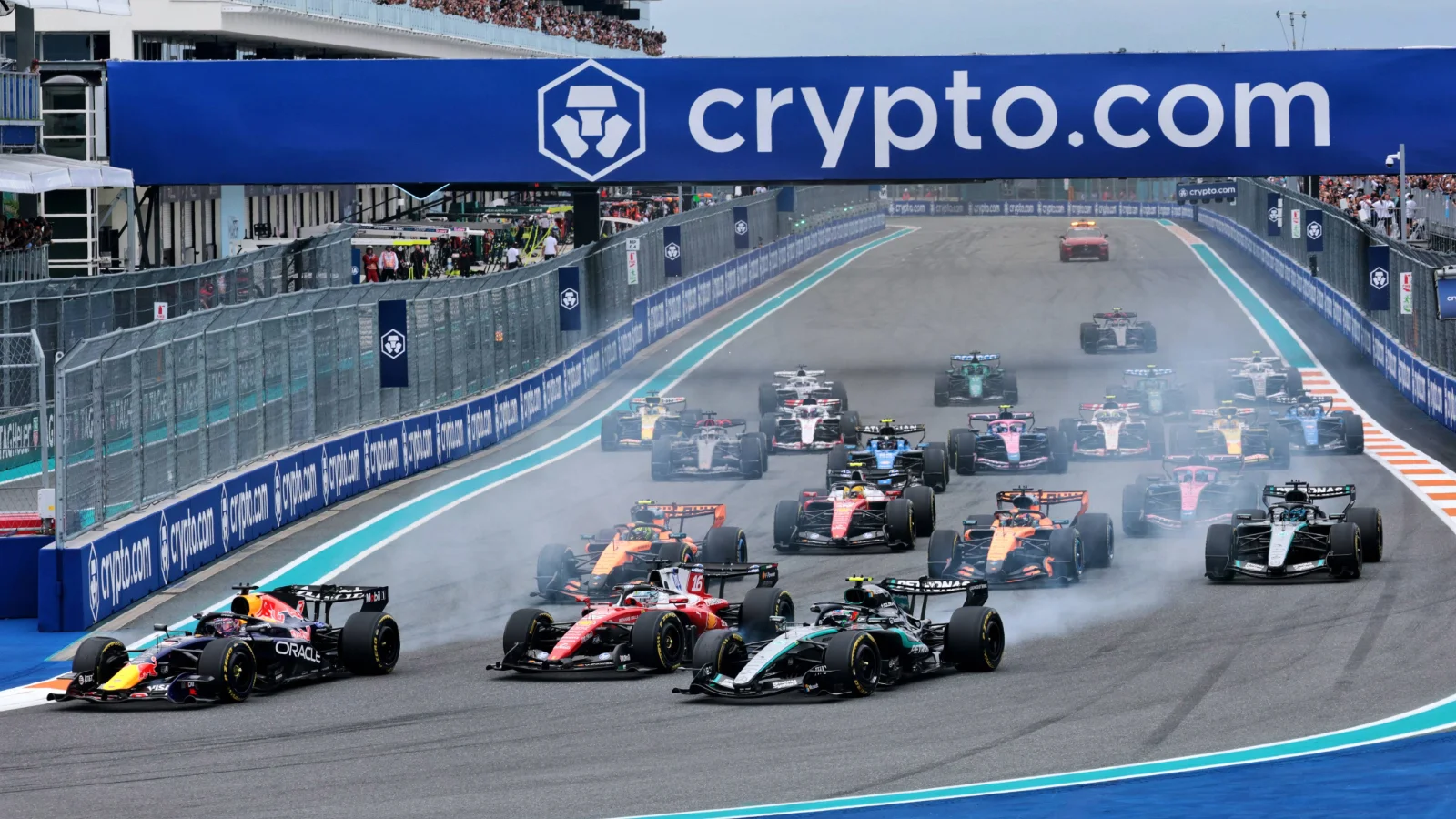
Modern Formula 1 titles are decided as much by pit-wall choices as by outright speed. From live telemetry to tyre modelling and safety-car timing, teams turn uncertainty into advantage, with psychology and crisp radio discipline completing the edge.
Winning a Formula 1 world title is rarely just about having the quickest car or the most gifted driver. Championships are shaped by a command structure of engineers, analysts and sporting leaders who turn fragments of information into decisive calls. Strategy is the quiet force that turns races into dynasties.
The data architecture behind those calls is vast. A current F1 car bristles with more than 300 sensors, generating roughly 1,500 data points every second and streaming them to the pit wall in real time. Parallel remote operations rooms — such as Ferrari’s in Maranello and Mercedes’ in Brackley — monitor the same feeds, with their involvement governed by FIA Technical Regulations on permissible external support.
All of it serves one purpose: reduce uncertainty. When a Safety Car appears, the decision to pit or stay out is not instinctive bravado. It is a risk-weighted calculation built from live gaps, tyre wear models, circuit-specific pit-lane loss times and the evolving position of rivals on the timing screens.
In recent years, several outfits have formalised this expertise. Teams such as Red Bull Racing have assembled specialist strategy groups that operate more like quant-style trading desks than classic race engineering crews, fusing statistics, simulation and scenario planning into rapid, repeatable decisions.
Tyres sit at the heart of almost every plan. Since Pirelli returned as F1’s sole supplier in 2011, rubber management has become the central strategic axis — amplified by the FIA rule that mandates at least two different dry compounds in a dry race. Every Sunday is, at root, a compound-selection puzzle played at 300 km/h.
To solve it, strategists model multiple moving parts. They quantify degradation per lap against pace profiles built from Friday running and map undercut or overcut windows — the laps required for fresh-tyre pace to overcome track position. They track how the circuit rubbers in, which can swing the relative value of each compound as grip builds.
They also stress-test rival pit windows to avoid rejoining into traffic, weigh the probability of Safety Cars using venue-specific incident history, and overlay weather margins. At changeable venues like Spa-Francorchamps or Interlagos, a dry-to-wet switch can reorder the field in minutes, turning a conservative plan into a losing one — or a bold call into a race winner.
The difference-maker is not any single metric but the interplay between them. Recent history includes McLaren relinquishing a likely victory in Qatar, a reminder of how small strategic errors can erase hard-won pace. And the 2021 Abu Dhabi Grand Prix remains the most examined case study of how Safety Car procedures, tyre state and the rulebook can converge to decide a championship.
Numbers, however, don’t make the call by themselves. Strategy is decision-making under uncertainty, with incomplete information and limited time. Research published in the Journal of Sports Sciences has shown that experienced high-performance motorsport engineers exhibit lower cortisol responses to sudden race-phase changes, helping them filter noise from signal and act cleanly under pressure.
That cognitive work extends to the cockpit. Drivers must articulate tyre feel, balance shifts and energy recovery states via radio while maintaining peak pace, giving strategists the qualitative context that raw data can miss. Teams have worked to tighten that channel: Ferrari, for example, has employed structured radio protocols that were noted in FIA team-principal briefings after strategy controversies in the 2022 season.
Titles ultimately favour organisations that convert data into timely, risk-aware choices — and communicate them flawlessly. As the season unfolds, watch for the telltale fingerprints of elite strategy: early calls that pre-empt Safety Cars, pit windows timed to dodge traffic, compound gambles that unlock clean air, and calm, concise radio under duress. That is where championships are made.
---
*Originally published on [Formula News](https://newsformula.one/article/inside-f1-strategy-how-champions-are-made-on-the-pit-wall). Visit for full coverage.*
Originally published by motorsportweek.com